November 22, 2025

In today's fast-paced world, artificial intelligence (AI) is already changing countless industries, from manufacturing to finance. Now, AI is making significant strides in mental healthcare. With a growing global demand for mental health support and not enough resources to meet it, AI presents new and promising approaches. This technology could reshape how we think about and access mental healthcare, offering innovative solutions at a time when they are needed most. Are you curious about how a digital tool could support your mental well-being?
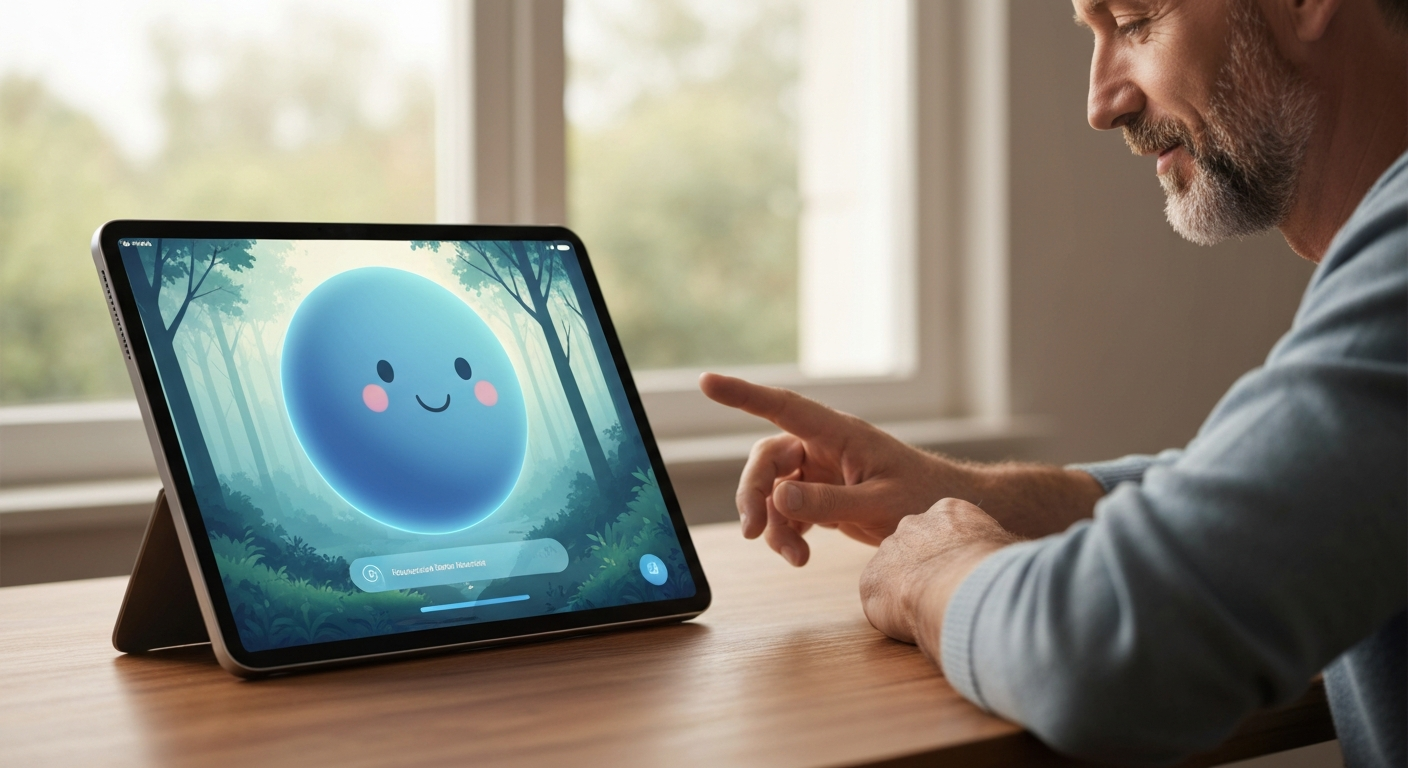
AI therapy uses artificial intelligence to offer mental health care through digital platforms. Think of it as a tool, like an app or a chatbot, designed to provide therapeutic support without requiring a live person on the other end. This form of health care is becoming a popular option for immediate, accessible guidance.
Unlike face-to-face sessions, an AI therapist uses algorithms to simulate conversation and provide assistance. This technology is not just about chatting; it also includes tools for monitoring symptoms and predicting treatment outcomes. Let’s explore what AI therapy is, how it functions, and the key features that make it unique.
So, what exactly is AI therapy? It’s a form of digital mental health support that uses AI technologies to deliver therapeutic interventions. This can range from apps that guide you through exercises to chatbots that engage in supportive conversations. The goal is to make mental health treatment more accessible to everyone.
The concept isn't entirely new. Early versions of this technology, like the ELIZA program in the 1960s, showed the potential for computers to mimic therapeutic conversations. These early programs paved the way for the sophisticated tools we have today, which are designed to provide structured, evidence-based help for common mental health concerns.
Modern AI therapy has expanded far beyond simple chat programs. It now includes systems that can help with the early detection of mental health issues, assist in creating personalized treatment plans, and enhance teletherapy services. These tools leverage natural language processing to understand and respond to you in a helpful way.
The magic behind AI therapy lies in advanced technologies like machine learning and natural language processing (NLP). AI systems are trained on huge amounts of text data from therapeutic conversations and clinical research. This training allows the AI to recognize patterns in how people express their feelings and thoughts.
When you interact with an AI therapist, it uses this pattern recognition to understand your concerns. For example, AI models built with transformer architecture, like ChatGPT, are exceptionally good at understanding the complexities of human emotion and the nuances of natural language. They can interpret your emotional state and provide responses that are both contextually and emotionally relevant.
These AI systems are constantly learning. With every interaction, they refine their ability to provide helpful and engaging conversations. Future versions are even expected to include real-time voice and video interactions, further broadening the potential applications of artificial intelligence in mental health support and making the experience feel more natural.
AI-based counseling platforms offer several distinct features that set them apart from traditional mental health support. One of the most significant is their ability to provide structured, evidence-based interventions directly to you. Many mental health apps are designed around principles of cognitive behavioral therapy (CBT), a proven method for addressing negative thought patterns.
These platforms are built to be user-friendly and highly accessible, offering a range of tools to help you manage your mental well-being. Some of the key features you might find include:
In the United States, a variety of AI therapy solutions are available, making digital mental health care more accessible than ever. These tools come in different forms, from simple chatbots to comprehensive programs, each designed to address specific needs. They offer a convenient and often low-cost alternative or supplement to traditional therapy.
Whether you're looking for an AI chatbot to talk to during a stressful moment or a structured program to work through specific challenges, there are many options. Let's look at some popular mental health apps, digital therapy programs, and blended models that combine AI with human support.
AI therapy chatbots and apps are some of the most common forms of digital mental health support. These tools use natural language processing to have conversations with you, offering a space to talk through your feelings and learn coping strategies. Recent research has shown that general-purpose AI like GPT-4 can even outperform some specialized therapeutic bots in certain tasks.
Some popular examples of these AI-powered tools include:
These platforms offer immediate, anonymous support, which can be especially helpful if you're hesitant to speak with a person.
Digital Cognitive Behavioral Therapy (CBT) programs are another powerful type of AI-driven mental health care. These programs deliver the structured, evidence-based techniques of CBT through a digital platform, such as an app or website. Instead of weekly therapy sessions, you can work through modules and exercises at your own pace.
The idea of computerized CBT has been around since the late 20th century, but modern AI has made these programs much more interactive and personalized. An AI therapist can guide you through exercises designed to help you identify, challenge, and change negative thought patterns and behaviors.
For example, a digital CBT program might help you reframe anxious thoughts or practice new behaviors in a simulated environment. Because these programs are automated, they offer a consistent and standardized approach to treatment, ensuring everyone receives the same quality of intervention. This makes proven therapeutic techniques more widely available.
A blended therapy model offers the best of both worlds by combining the scalability of AI with the irreplaceable expertise of human therapists. In this approach, an AI therapist doesn't replace a human but acts as a supportive tool. This ensures you get continuous support while still benefiting from a genuine human connection.
For instance, you might use a mental health app to track your moods, practice coping skills, or complete homework between sessions with your human therapist. The AI can handle routine tasks, freeing up your therapist to focus on deeper issues and provide more nuanced, personalized care during your appointments. This makes mental health services more efficient.
This hybrid model recognizes that while AI is a powerful tool, it has limitations. Mental health professionals provide the empathy, ethical judgment, and deep understanding that machines cannot replicate. By working together, AI and human therapists can create a more comprehensive and effective system of mental health care.
Using AI for mental health support brings several significant advantages, especially in a world where demand for care outstrips the supply of mental health professionals. Machine learning algorithms allow these tools to offer personalized and scalable solutions, addressing some of the biggest barriers in health care today.
From being available around the clock to offering a more affordable option, AI therapy is making it easier for people to get the help they need. Let’s look at some of the main benefits, including improved accessibility, affordability, and the personalized guidance AI can offer.
One of the greatest benefits of AI therapy is its incredible accessibility. Unlike traditional therapy that requires scheduling appointments, AI-powered systems are available 24/7. This means you can get mental health support whenever you need it, whether it's late at night or in the middle of a busy day. There's no waiting for an appointment to open up.
This continuous availability is a game-changer, especially in regions with a shortage of mental health professionals. AI can provide crucial mental health interventions to people in underserved communities or those who live far from a clinic. It breaks down geographical barriers, ensuring that help is always just a few clicks away.
Furthermore, AI systems can support a massive number of users at the same time without getting tired or burned out. This scalability means that more people can receive support simultaneously, reducing long wait times that can often worsen mental health conditions.
Cost is a major barrier that prevents many people from seeking traditional therapy. AI-driven interventions can significantly reduce the cost of mental health care, making it much more affordable for a wider range of people. This improvement in affordability is a key advantage of integrating technology into health care.
While sessions with a human therapist can be expensive, many AI therapy apps and platforms offer their services for a low monthly fee or even for free. This makes it possible for you to receive consistent mental health support without worrying about high costs, especially if you don't have insurance or your plan doesn't cover mental health care sufficiently.
By lowering the financial barrier, AI therapy opens the door for more people to access the mental health care they need. This economic benefit helps bridge the gap between those who need help and those who can afford it, promoting a more equitable system of care.
The stigma surrounding mental health issues often stops people from seeking help. Many worry about being judged for their feelings or experiences. AI therapy offers a unique solution by providing a space for complete anonymity. When you interact with an AI, you may feel more comfortable opening up.
Studies have shown that people are often more willing to disclose sensitive information to an AI system because they perceive it as non-judgmental. This increased candidness can lead to more honest and open conversations about your mental health, which is crucial for effective support. You can share your deepest thoughts without fear of judgment.
This sense of privacy and anonymity encourages more people to take the first step in addressing their mental health. By removing the social pressure and fear of being judged, AI therapy helps normalize seeking support for mental health issues, making it a less intimidating experience for everyone.
AI therapy provides a remarkable level of personalized care that can be tailored to your individual needs. Unlike a one-size-fits-all approach, AI systems can process and remember vast amounts of information from your conversations. This allows them to identify patterns in your thoughts and behaviors with great accuracy.
Based on this data, the AI can offer therapeutic guidance and interventions that are specifically relevant to your mental health concerns. For example, if it notices you consistently express feelings of anxiety before social events, it might suggest specific exercises to help you manage that. This contrasts with human therapists, who, despite their best efforts, can be limited by memory and cognitive biases.
This ability to handle complex data and recall details from past interactions allows AI to support more precise and personalized mental health interventions. As the technology learns more about you, it can adapt its approach, leading to a truly customized experience that evolves with your needs.
AI therapy has shown promise in helping with a range of common mental health conditions, especially those that are mild to moderate. It can provide immediate emotional support and practical tools to help you manage your mental health symptoms between or before starting traditional therapy sessions.
While it's not a substitute for professional care in severe cases, AI can be a very effective tool for everyday challenges. Let's explore some of the specific areas where AI therapy is proving to be most helpful, such as managing stress, anxiety, and mild depression.
Dealing with stress and everyday anxiety is one of the most common reasons people turn to AI therapy. These digital tools are particularly good at providing on-the-spot support when you're feeling overwhelmed. For example, if you're experiencing work-related stress, an AI chatbot can walk you through a calming exercise or help you reframe your anxious thoughts.
Preliminary studies have shown that AI-powered chatbots can be effective in alleviating anxiety symptoms. They offer practical strategies, such as time management techniques or exercises for setting realistic expectations, that you can use right away. This immediate access to coping mechanisms can make a big difference in your day-to-day mental wellness.
The constant availability of AI therapy means you have a resource to turn to whenever stress or anxiety strikes. Instead of letting these feelings build up, you can address them in the moment, helping you regain a sense of control and calm.
If you struggle with social anxiety, the idea of talking to a therapist can be intimidating. AI therapy offers a safe, private space where you can practice communication skills without the fear of judgment. This can be an invaluable first step toward building confidence in social situations.
The non-judgmental nature of AI encourages you to be more open and honest. You can explore the thoughts and fears that fuel your social anxiety and work through them at your own pace. The AI can provide feedback and suggest strategies for navigating social interactions, acting as a sort of digital coach.
By offering a low-pressure environment to practice and learn, AI therapy can be a powerful mental health support tool for improving your communication skills and reducing the symptoms of social anxiety. It allows you to build a foundation of confidence before you apply these new skills in the real world.
AI therapy can also be a helpful tool for coping with mild depression and other mood challenges. Studies suggest that AI-powered chatbots may help reduce symptoms of depression, particularly in the short term. An AI therapist can provide immediate emotional support and guide you through mental health interventions designed to lift your mood.
For example, an AI might help you identify and challenge the negative thought patterns that often accompany depression. It can also suggest activities and behavioral changes that are known to improve mood, such as exercise or mindfulness practices. These small, consistent interventions can add up to a significant positive impact.
It is important to remember that while an AI therapist can offer valuable support, its effectiveness for long-term improvement is still being studied. For persistent or severe symptoms of depression, it is crucial to seek help from a qualified human mental health professional.
When considering your mental health care options, it's helpful to understand how AI therapy stacks up against traditional therapy with a human professional. While both aim to improve your well-being, their approaches, effectiveness, and the experiences they offer can be quite different. AI can assist with treatment planning, but it lacks the nuance of a human-led session.
Choosing between them isn't about which one is "better" overall, but which is right for your specific needs and circumstances. Let's compare the differences in their approaches, look at user satisfaction, and discuss when it's best to choose traditional therapy over an AI tool.
The most significant difference between AI therapy and traditional therapy lies in the nature of the interaction. Traditional therapy is built on the foundation of a genuine human connection. A human therapist uses empathy and emotional understanding to build trust and rapport, which are fundamental to the healing process.
AI systems, on the other hand, lack genuine empathy. While they can be programmed to provide empathetic-sounding responses, they do not experience emotions themselves. This means they cannot replicate the deep emotional resonance that comes from real human interactions. AI is also unable to interpret non-verbal cues like body language or facial expressions, which provide crucial insights in a therapy session.
Furthermore, human therapists bring cultural competence and ethical judgment to their practice. They can tailor their approach to your cultural background and navigate complex situations using professional intuition. AI relies on predefined algorithms and may not grasp these subtle but vital nuances of mental health care.
The effectiveness of AI therapy often depends on the individual and the condition being addressed. For short-term relief from mild anxiety and depression, AI systems have shown positive results. User satisfaction is often high due to the convenience and anonymity offered. However, the long-term effectiveness of AI remains a question, as some studies show that initial benefits can fade over time.
In contrast, traditional therapy has a long-established track record of long-term effectiveness for a wide range of mental health issues. User satisfaction is closely tied to the quality of the therapeutic relationship. Here is a comparison of key aspects:
Feature
AI Therapy
Traditional Therapy
Accessibility
24/7, immediate access from anywhere.
Requires scheduled appointments, may have wait times.
Cost
Often low-cost or free.
Can be expensive, dependent on insurance.
Anonymity
High degree of privacy and anonymity.
Confidential, but involves face-to-face interaction.
Empathy
Simulates empathy based on algorithms.
Provides genuine human empathy and emotional connection.
Consistency
Highly consistent, applies the same protocols every time.
Quality can vary based on the therapist's mood or biases.
Crisis Handling
Limited ability to respond to serious crises.
Equipped to handle emergencies and complex situations.
While AI therapy can be a useful tool, there are many situations where seeking professional help from a human therapist is the best choice. If you are dealing with a serious mental health condition, complex trauma, or co-occurring disorders, the nuanced understanding of a trained professional is essential.
In a mental health crisis, such as experiencing suicidal thoughts, you should always seek help from a person. AI systems are not equipped to handle these high-risk situations and cannot provide the immediate, life-saving intervention that mental health professionals can. The ethical judgment and intuition of a human therapist are irreplaceable in these moments.
You should also choose traditional therapy if you value a deep, personal connection in your healing journey. The therapeutic relationship itself is a powerful agent of change. If you need someone who can understand your history, interpret subtle emotional cues, and provide personalized care over the long term, a human therapist is the right choice.
While AI therapy offers exciting possibilities, it's crucial to be aware of its potential risks and limitations. These platforms handle incredibly sensitive information about your deepest mental health concerns, which raises questions about data privacy and security. The technology is not perfect and cannot fully replicate the nuances of human care.
Understanding these downsides can help you make an informed decision about whether AI therapy is right for you. Let's examine some of the key concerns, including issues with safety and confidentiality, the limits of AI empathy, and the potential for misdiagnosis.
When you use an AI therapy app, you are sharing some of your most sensitive information. This raises significant concerns about data privacy and confidentiality. How is your patient data being stored, used, and protected? It's essential to understand the privacy policy of any platform you consider using.
The ethical use of this data is a major issue in AI-driven mental health care. Without strong safeguards, there is a risk that your information could be misused or shared without your consent. The balance between using data to improve care and respecting your privacy is a delicate one that the industry is still navigating.
To ensure your safety, look for platforms that are transparent about their data practices and comply with privacy regulations. While the anonymity of AI can be a benefit, it should not come at the cost of your personal information's security. Trust is paramount, and AI providers must prioritize it.
One of the biggest limitations of an AI therapist is its inability to feel genuine empathy. AI can be programmed to recognize and respond to human emotions, but it cannot truly understand or share them. This lack of authentic emotional connection means it can't build the deep, trusting rapport that is often the cornerstone of effective therapy.
This limitation becomes especially critical in a crisis response situation. While an AI might be able to identify keywords related to self-harm or a mental health crisis, it lacks the human judgment needed to assess the situation's severity and respond appropriately. It cannot replace the immediate, compassionate intervention of a trained human professional.
Human therapists use their own emotional understanding to connect with clients, validate their feelings, and navigate complex therapeutic moments. This ability is something that current AI technology simply cannot replicate, highlighting a fundamental gap between artificial and human care.
Another significant risk of relying solely on AI systems is the potential for misdiagnosis. AI algorithms are trained on data, and if that data is biased, the AI's conclusions can be biased too. This is known as algorithmic bias, and it can lead to unequal or incorrect assessments based on factors like race, gender, or socioeconomic status.
These biases often reflect the priorities and unconscious assumptions of the developers who create the AI systems. Without careful design and testing, an AI could misinterpret your mental health symptoms or suggest an inappropriate therapeutic approach. This highlights the critical need for human oversight in AI-driven care.
Relying on an AI without the guidance of a professional can be risky. A human therapist can catch errors, provide context, and ensure that your treatment plan is appropriate for your unique situation. Without that layer of professional help, you might not get the effective care you need.
As machine learning technology gets more sophisticated, a big question emerges: can AI eventually replace human psychotherapists? While AI is becoming better at recognizing emotions and simulating conversation, it still lacks the genuine emotional intelligence and ethical judgment that humans possess. The consensus is that AI is unlikely to fully replace human therapists.
Instead, the future points toward a collaborative model. AI will likely become a powerful tool that supports and extends the work of human professionals, making mental health care more accessible and efficient across the United States and beyond. Let's look at what's next for AI and the enduring role of human therapists.
Recent advances in generative AI are pushing the boundaries of what machines can do in the realm of emotional intelligence. Newer AI models, like GPT-4, have demonstrated an impressive ability to recognize and articulate emotions in hypothetical scenarios, performing at a level similar to the general human population in some tests.
This growing capacity for recognizing emotional nuances could make AI therapy interactions feel more natural and empathetic. However, it's important to remember that this is a simulated understanding. The AI is recognizing patterns in language, not experiencing genuine feelings. It's a form of advanced pattern matching, not a replacement for true human intelligence and consciousness.
As this technology continues to evolve, it will likely become an even more effective tool in mental healthcare. Future AI may be able to provide more contextually and emotionally relevant support, but the gap between mimicking emotion and truly understanding it will remain a key distinction.
In a future where AI therapy is common, the role of human therapists will remain absolutely essential. AI is best seen as a tool that can augment, not replace, the work of mental health professionals. Human therapists provide critical qualities that AI cannot, such as genuine empathy, ethical judgment, and cultural competence.
The future of mental health care is likely a hybrid model. Human therapists will be able to leverage AI to automate routine tasks, monitor patient progress between sessions, and gain data-driven insights. This will free them up to focus on what they do best: building deep therapeutic relationships and providing nuanced, personalized professional help.
Ultimately, the goal is to use AI to extend the reach of mental health services and make care more efficient. Human oversight will always be necessary to ensure fairness, respect patient rights, and handle the complex, deeply human aspects of therapy that technology alone cannot address.
As AI becomes more integrated into healthcare in the United States, regulatory and ethical considerations are becoming paramount. How do we ensure these tools are safe, effective, and fair? This is a complex question that involves developers, healthcare providers, and regulatory bodies.
Strict ethical standards are needed to govern the use of AI in mental health. This includes creating strategies to mitigate algorithmic bias, ensure transparency in how AI makes decisions, and maintain patient trust. Without careful ethical oversight, AI could inadvertently cause harm or worsen existing health disparities.
Bodies like the Food and Drug Administration (FDA) may play a role in this process. For example, some AI-based medical tools have received breakthrough device designation, which speeds up their review. Similar regulatory pathways may be needed for AI therapy tools to ensure they meet high standards for safety and effectiveness before they are widely used.
Beyond the research and expert opinions, what are real people experiencing with AI therapy? User satisfaction and personal stories offer valuable insights into how these digital tools are impacting mental health care on a practical level. The experiences vary, with some finding great value and others noting its limitations compared to sessions with mental health professionals.
Learning from these real-world experiences can help you understand what to expect. Let's look at some success stories from app users, feedback from professionals who use these tools, and common questions people have when getting started.
Many users of AI therapy apps report positive experiences, often highlighting the benefits of immediate and non-judgmental support. One of the biggest success stories is the feeling of being able to open up completely. Because they're not talking to a real person, users often feel more comfortable sharing sensitive information without fear of judgment.
This increased candor can be incredibly therapeutic. For example, someone struggling with work stress might find it easier to admit their feelings of being overwhelmed to a chatbot, which then provides instant coping strategies. This immediate validation and practical help can be a lifeline for those who might otherwise keep their feelings to themselves.
High user satisfaction also comes from the convenience and accessibility of these mental health apps. Having a mental health support tool in your pocket means help is always available, leading to a greater sense of security and empowerment in managing one's own mental well-being.
Mental health professionals generally view AI therapy with cautious optimism. Many see it as a valuable tool that can significantly augment psychotherapeutic practice, especially for increasing access to mental health care. They recognize its potential to support clients between therapy sessions or serve as an entry point for those hesitant to seek traditional treatment.
However, they also stress the importance of understanding its limitations. Professionals emphasize that while AI can be helpful, careful consideration of ethical issues like data privacy and algorithmic bias is essential. They advocate for rigorous clinical research to establish the long-term effectiveness and safety of these interventions.
The consensus among many professionals is that AI should complement, not replace, human therapists. They see a future where AI handles routine tasks, allowing them to focus on providing the deep, empathetic, and nuanced care that only a human can offer, ultimately improving the overall quality of therapy sessions.
If you're thinking about trying AI therapy, you probably have some questions. A common one is: "How do I know which AI chatbot is right for me?" The best approach is to research different options, read reviews, and see which platform's style and features align with your mental health concerns. Many offer free trials, so you can test them out.
Another frequent question is: "Can I use AI therapy alongside traditional mental health services?" The answer is a resounding yes. In fact, many people find that using an AI tool to practice skills or track their mood between sessions with a human therapist enhances their overall progress and provides continuous mental health support.
Finally, people often ask: "What should I talk about with an AI therapist?" You can talk about anything on your mind, from daily stressors to deeper feelings of anxiety or sadness. The AI is designed to be a confidential sounding board, helping you process your thoughts and feelings in a safe, private space.
KeywordSearch has an AI Audience builder that helps you create the best ad audiences for YouTube & Google ads in seconds. In a just a few clicks, our AI algorithm analyzes your business, audience data, uncovers hidden patterns, and identifies the most relevant and high-performing audiences for your Google & YouTube Ad campaigns.
You can also use KeywordSearch to Discover the Best Keywords to rank your YouTube Videos, Websites with SEO & Even Discover Keywords for Google & YouTube Ads.
If you’re looking to SuperCharge Your Ad Audiences with AI - Sign up for KeywordSearch.com for a 5 Day Free Trial Today!
As we venture into the realm of AI therapy, it's essential to recognize both its incredible potential and its limitations. AI therapy offers accessible, affordable, and personalized support, making it a valuable resource for managing mental health challenges such as stress, anxiety, and mild depression. However, while the benefits are notable, we must also be cautious of issues like data privacy, the limits of empathy, and the need for human oversight in therapeutic contexts. The future of mental health care may very well see a harmonious integration of AI tools alongside traditional methods, ensuring that individuals receive the best support possible. If you're curious about how AI therapy can enhance your mental well-being, reach out for a free consultation to explore your options!
Using AI therapy apps can be safe, but it's crucial to be mindful of data privacy. Always review an app's privacy policy to understand how your information is used. While these tools can be helpful, they aren't a substitute for mental health professionals, especially in a crisis.
Yes, many free AI therapy apps offer 24/7 accessibility. These digital mental health tools provide immediate mental health support, making them a convenient option for managing stress or anxiety whenever it arises. Some may offer premium features for a fee, but basic services are often free.
AI therapy can be very helpful for social anxiety. It provides a private, non-judgmental space to practice communication and work through anxiety symptoms. The use of natural language processing allows the AI to offer supportive feedback, helping you build confidence at your own pace before facing real-world situations.